Advertisement
Learning From Lousy: You Can Take Away Good From the Bad, Too

Get articles like this
in your inbox
The longest running and most trusted source of information serving talent acquisition professionals.
Advertisement
Related Articles
It’s often said that each of us can learn a great deal from having a good boss to work for, a solid role model of just how a manager is supposed to act.
We hear about learning the “right” way from our mentors, from people we admire, from good leaders. And we can also benefit from associating with other good employees, learning from the experienced and high performers how things should be done.
That’s all true enough, but how many of us are fortunate enough to find ourselves in that position? Who even has a mentor these days?
More often than not we find that our leaders are flawed individuals, possessing an odd assortment of quirks, personal biases, affectations and just plain bad habits that we as their subordinates have to live with. That we have to put up with.
Yes, I’m talking about the lousy boss.
And then, of course, there’s always the malingerer down the hall, the employee who is forever out to beat the system, or the clock watcher who won’t make the effort to get out of their own way. These are each examples of behavior we see practiced all too often, if not every day at work.
Sometimes it’s as though we’re encircled by the dregs of the company’s workforce, from the top of the organization chart to the bottom.
Yet sometimes there is a candle lit against the darkness. Sometimes we can learn a great deal by the personal failures that surround us. We don’t have to succumb to it. But we have to keep our eyes and ears alert, along with an open mind.
We can grow tired of fighting the system, of being the Lone Ranger, seemingly the only one who cares. It’s natural to have the battery of self-motivation and sense of professional self wear down. So we can let ourselves drown in this sea of incompetence, work malaise and indifference, becoming absorbed by it, becoming part of the same problem.
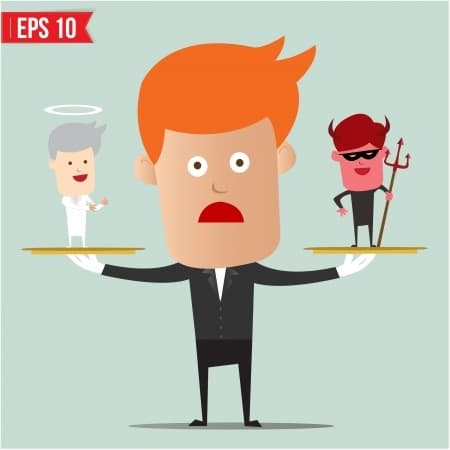
Or you can turn lemons into lemonade. You can take a negative and squeeze out a positive learning experience. Sometimes it’s simply a matter of knowing not to do what the Bozo does.
What can we learn from the bad behavior that surrounds us?
Granted, learning from bad examples is a hit or miss strategy, but if you’re paying attention, if you’re watching the results of someone else’s decisions, you’ll have a better sense of cause and effect. When something doesn’t work, when someone’s actions cause justifiable upset, when someone’s behavior is inappropriate — each are potential teaching moments.
Every action or non-action is a decision. Sitting on the sidelines and watching the world flow by is a decision. But if you’re paying attention each decision or even lack of action can be an opportunity for you to learn to grow, to test the work environment.
You’ll be a better manager, a better employee and best of all a better person because of it.
This was originally published at the Compensation Café blog, where you can find a daily dose of caffeinated conversation on everything compensation.